North Texas Real Estate & Community News

April 10, 2025

Curb Appeal Matters: Get Your North Texas Home Ready to Sell This Spring

Curb Appeal Matters: Get Your North Texas Home Ready to Sell This Spring

First impressions matter, and spring is the perfect time to enhance your home's curb appeal! Whether you're planning to sell or just want to boost your property’s value, small updates like fresh landscaping, a new front door, and exterior power washing can make a big impact. In this blog, we’ll share expert staging tips, the best outdoor upgrades for resale value, and how to make your home stand out in a competitive market.

Posted in Selling Your Home
April 3, 2025

Spring 2025: A Hot Market for North Texas Homebuyers and Sellers

Spring 2025: A Hot Market for North Texas Homebuyers and Sellers


Spring is here, and the North Texas real estate market is heating up! With mortgage rates stabilizing and inventory levels gradually increasing, both buyers and sellers have great opportunities. Home values continue to appreciate, making it a prime time for sellers to list their properties. Meanwhile, buyers should be prepared to act fast in competitive markets like Dallas, Plano, and Frisco. In this post, we'll break down key trends, tips for buyers and sellers, and what to expect in the coming months.

Posted in Selling Your Home
March 6, 2025

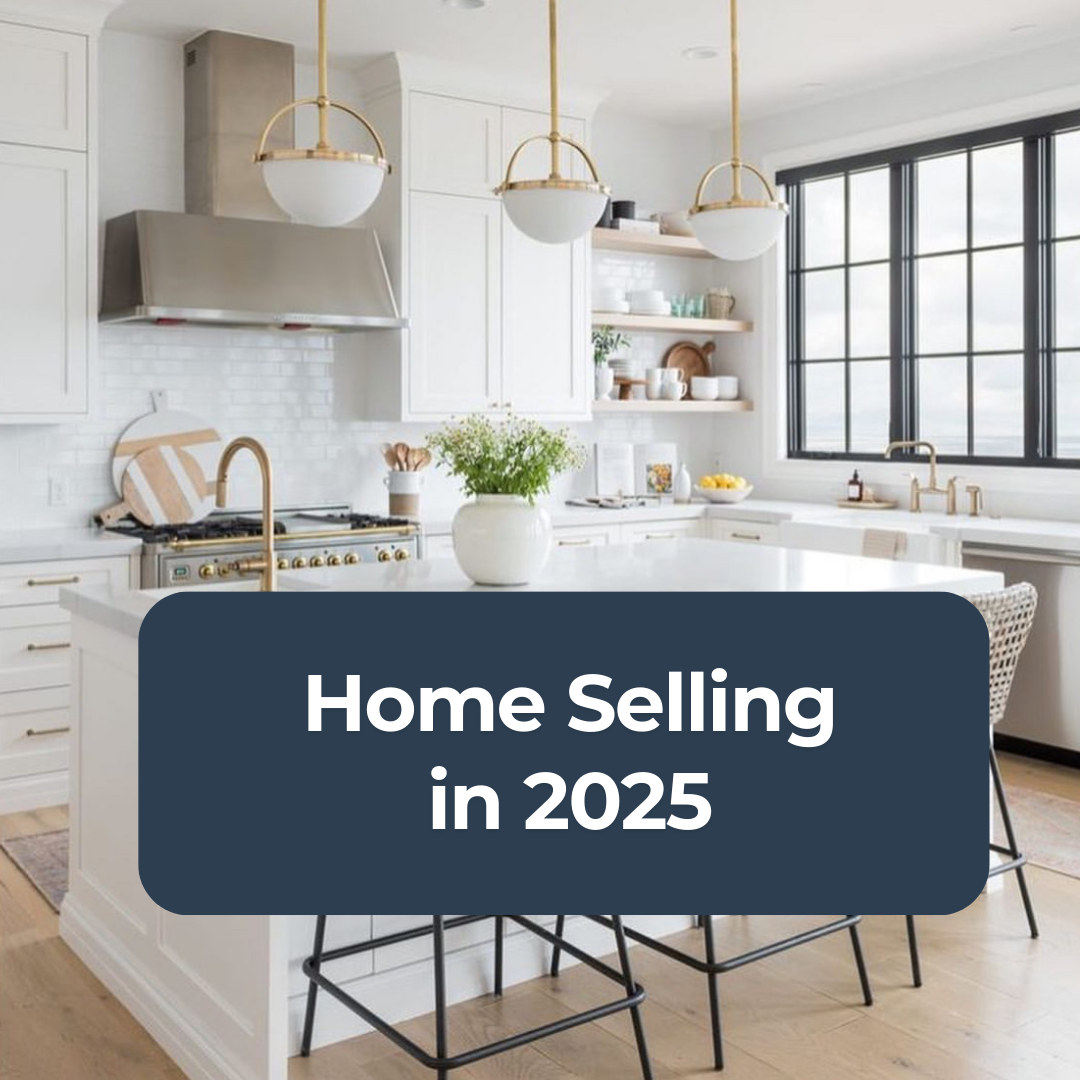
Home Selling in 2025: Tips for a Successful Sale

Home Selling in 2025: Tips for a Successful Sale

Selling a home in 2025 requires a mix of traditional strategies and modern innovations. With the housing market continuing to evolve, homeowners looking to sell need to adapt to changing buyer preferences, digital tools, and new market dynamics. Here’s what to know if you’re planning to sell your home this year.

1. The Market is Still Competitive

In 2025, while the market is still competitive, it’s not as overheated as it was in the past few years. Buyers are more selective, and inventory is still relatively low, meaning that pricing your home competitively is key. Homes that are well-priced, well-maintained, and staged effectively will stand out in a crowded market.

2. Virtual and Augmented Reality Tools

Technology is at the forefront of home selling in 2025. Virtual and augmented reality (VR/AR) tools are now common in real estate, offering prospective buyers a fully immersive home tour experience. Virtual staging allows buyers to see a home’s potential without the need for physical staging. If you're selling a home, consider using these tools to enhance your listing and attract more buyers.

3. Sustainability and Energy-Efficient Features Matter

Green homes are in demand. Buyers are increasingly looking for properties with energy-efficient features, such as solar panels, energy-saving appliances, and smart home technologies that can help lower utility bills. If your home includes any sustainable or energy-efficient upgrades, make sure to highlight these features in your listing.

4. Curb Appeal Still Counts

While digital tools like virtual tours are important, the first impression a buyer gets when they drive up to your home is still critical. Invest in curb appeal—simple updates like fresh landscaping, a new coat of paint, or modern outdoor lighting can make a significant difference in attracting buyers to your property.

5. Pricing Strategies Are Crucial

In 2025, overpricing a home can be a significant barrier to selling quickly. While sellers want to get the highest possible price, buyers are becoming more cautious about inflated home values. Work with your real estate agent to assess comparable properties (comps) in your area and set a price that reflects current market conditions. A competitive price will generate more interest and increase the likelihood of multiple offers.

6. Marketing Through Social Media and Online Channels

With more buyers starting their home search online, social media is one of the best tools for getting the word out about your home. Listing your property on major real estate platforms like Zillow and Realtor.com is essential, but don’t forget the power of social media. Instagram, Facebook, and even TikTok are great ways to showcase your home’s best features through high-quality photos, videos, and even live walkthroughs.

7. Negotiate Smartly

Negotiation remains an art form, but in 2025, buyers may be more cautious about making offers. Be prepared for some back-and-forth, and understand that today’s buyers often come with specific terms, such as contingencies or requests for repairs. Having an experienced agent by your side can help you navigate these negotiations with ease and ensure that your best interests are represented.

8. Transparency and Disclosures

Buyers today expect transparency in the home-selling process. Being upfront about any known issues with the home—such as repairs or past renovations—will help you build trust with potential buyers. You may also want to have a pre-inspection done to identify and address any issues ahead of time, allowing you to be prepared and avoid last-minute surprises.

Conclusion

Selling a home in 2025 presents a unique set of opportunities and challenges. The right combination of pricing, technology, and marketing will help you stand out in a competitive market. Whether you’re selling a starter home or a luxury property, working with an experienced real estate agent who understands the nuances of today’s market can help ensure a smooth and successful sale.

If you’re ready to put your home on the market, let’s talk! An expert agent can help you strategize the best approach for a quick and profitable sale.

Posted in Selling Your Home
Feb. 27, 2025

Homeownership in 2025: What to Expect and How to Prepare

Homeownership in 2025: What to Expect and How to Prepare

As we step into 2025, the landscape of homeownership is evolving, influenced by shifts in the economy, technology, and societal changes. If you’re considering buying a home this year, it’s important to stay ahead of trends and understand what’s shaping the market. Here’s what you need to know about homeownership in 2025.

1. Continued High Demand, Low Inventory

The housing market in 2025 remains competitive, with high demand for homes and limited inventory in many areas. This imbalance continues to drive home prices up, although the rate of increase may stabilize as interest rates fluctuate. Buyers will need to be prepared for competitive bidding, with many homes still receiving multiple offers, especially in desirable locations.

2. Hybrid Work and Relocation Trends

Remote work continues to be a dominant factor in where people choose to live. Many employees are no longer tied to urban centers, allowing them to explore suburban or even rural areas where they can find more affordable housing options. This trend has expanded the potential for first-time homebuyers to enter markets previously considered out of reach.

3. Sustainability and Green Homes

Sustainability is a major priority for many homeowners, especially millennials and Gen Z buyers. Energy-efficient appliances, solar panels, and sustainable building materials are in high demand. Green homes, equipped with smart technology for energy management, are not just a trend but increasingly an expectation.

4. Smart Home Technology

The rise of smart home technology continues to revolutionize how we live. Homes in 2025 are likely to be fully integrated with AI-powered systems, from voice-controlled lighting to advanced security systems. These technologies not only add convenience but also increase the overall value of the home, making them attractive to both buyers and sellers.


5. Shifting Financing Options

With interest rates fluctuating, homebuyers may find new opportunities for financing. Mortgage lenders are offering more flexible options, including lower down payment programs, adjustable-rate mortgages, and options tailored for first-time homebuyers. It’s crucial to explore all financing options and work with a trusted lender to find the best solution for your situation.

6. Homeownership as an Investment

In 2025, homeownership is still viewed as one of the most reliable long-term investments. However, buyers are increasingly focused on properties that not only offer a good living experience but also strong potential for appreciation. This means considering future market trends, neighborhood development, and long-term property value before making a purchase.

7. The Role of Real Estate Professionals

Navigating the complex housing market in 2025 can be challenging without professional guidance. Real estate agents will continue to be a vital resource for buyers and sellers, offering insights into local market trends, negotiating deals, and helping clients make informed decisions. If you’re thinking about purchasing a home, working with a skilled REALTOR® can make all the difference.

Conclusion

Homeownership in 2025 will undoubtedly look different from the past, driven by technological advances, economic shifts, and changing buyer preferences. Whether you’re looking to buy your first home, relocate, or invest in a property, understanding these trends and staying informed will help you make the best decision in this dynamic market.


Ready to make your homeownership dream a reality in 2025? Reach out to a trusted real estate professional who can guide you through the process. Call us at 469-759-3899!

Posted in Home Ownership
Jan. 30, 2025

Essential Home Maintenance Tips for New Homeowners

Essential Home Maintenance Tips for New Homeowners

Congratulations on your new home! Owning a home is a major milestone, but it also comes with responsibilities. Regular maintenance is key to preserving your property’s value and ensuring it remains a safe and comfortable space. Here are essential home maintenance tips for new homeowners to help you get started.

1. Create a Maintenance Schedule

Staying organized is half the battle. Break down tasks into monthly, seasonal, and annual checklists. For example, clean gutters and inspect the roof in the fall, and service your HVAC system in the spring. Having a schedule ensures nothing falls through the cracks.

2. Inspect and Change Air Filters Regularly

Your HVAC system’s air filters should be checked monthly and replaced every 1-3 months, depending on usage. Clean filters improve air quality and ensure your system runs efficiently, saving energy and money.

3. Test Safety Equipment

Smoke detectors, carbon monoxide alarms, and fire extinguishers are essential for your family’s safety. Test alarms monthly, replace batteries at least once a year, and ensure fire extinguishers are charged and accessible.

4. Check for Leaks

Plumbing leaks can cause significant damage if left unchecked. Inspect under sinks, around toilets, and near your water heater for signs of leaks. Fixing small issues early can save you from costly repairs later.

5. Keep Gutters and Downspouts Clean

Clogged gutters can lead to water damage and foundation issues. Clear debris from gutters and ensure downspouts direct water away from your home’s foundation. Perform this task at least twice a year.

6. Inspect Your Roof

Your roof is your home’s first line of defense against the elements. Look for missing or damaged shingles, sagging areas, or signs of leaks. Addressing issues promptly can prevent more extensive damage.

7. Seal Windows and Doors

Drafty windows and doors increase energy costs and make your home less comfortable. Inspect seals and weatherstripping for wear and tear, and replace them as needed. Consider caulking any gaps to improve insulation.

8. Maintain Your Yard

Your outdoor space needs regular care, too. Trim trees and bushes to prevent overgrowth, mow the lawn, and inspect your irrigation system for leaks. Proper yard maintenance enhances curb appeal and protects your home from potential damage.

9. Flush Your Water Heater

Sediment can build up in your water heater over time, reducing its efficiency. Flushing the tank annually helps extend its lifespan and ensures you’re getting hot water when you need it.

10. Keep a Home Maintenance Budget

Unexpected repairs are inevitable. Set aside a portion of your budget for home maintenance to avoid financial stress when issues arise. A good rule of thumb is to save 1-3% of your home’s value annually for upkeep.

Final Thoughts


As a new homeowner, taking care of your property may seem daunting at first, but establishing good habits early will make it manageable. Regular maintenance not only protects your investment but also ensures your home remains a safe, functional, and enjoyable place to live. By staying proactive, you’ll set yourself up for years of stress-free homeownership.

Posted in Home Ownership
Jan. 23, 2025

Expert Tips for Staging Your Home to Sell in 2025

Expert Tips for Staging Your Home To Sell in 2025

Expert Tips for Staging Your Home to Sell in 2025

Selling a home in 2025 means staying ahead of market trends and appealing to today’s buyers. A well-staged home can make all the difference in attracting offers quickly and maximizing your property’s value. Here are some staging tips to help your home shine this year.

1. Declutter and Depersonalize

The first rule of staging is to create a clean and neutral space where buyers can envision themselves. Pack away personal photos, knick-knacks, and any items that may distract from the home’s features. Keep surfaces clear and minimize furniture to make rooms feel spacious.

2. Neutral Color Palette with Pops of Style

In 2025, neutral tones like beige, gray, and off-white remain staples for staging. To keep the space feeling modern and inviting, add subtle pops of color through decor like throw pillows, artwork, or area rugs. Soft greens and warm terracottas are trending this year.

3. Focus on Curb Appeal

First impressions matter, and the exterior of your home sets the tone. Make sure the lawn is trimmed, bushes are pruned, and any outdoor furniture is clean and inviting. Consider adding planters with seasonal flowers or a fresh coat of paint to the front door for an extra touch.

4. Highlight Multi-Functional Spaces

With remote work and hybrid lifestyles becoming the norm, buyers are looking for homes with versatile spaces. Stage spare bedrooms as home offices or create cozy nooks that showcase potential uses for any extra space. Clear labeling and thoughtful design can help buyers see the possibilities.

5. Let the Light In

Bright spaces feel larger and more inviting. Open blinds and curtains to let in natural light and replace any dim bulbs with brighter, energy-efficient LED lighting. Mirrors can also be strategically placed to reflect light and make spaces feel bigger.

6. Modernize Key Areas

Kitchens and bathrooms are often deal-breakers for buyers. If a full renovation isn’t in the budget, focus on small updates like replacing outdated hardware, re-grouting tiles, or painting cabinets. Even fresh towels and a vase of flowers can elevate the look.

7. Stage for Your Target Buyer

Understand your market and stage accordingly. For urban condos, sleek and minimalist decor may work best, while suburban family homes benefit from warm and functional design elements. Tailor your staging to resonate with the lifestyle of likely buyers.

8. Don’t Forget the Outdoors

Outdoor living spaces are highly desirable in 2025. Stage patios, decks, or balconies with cozy furniture and decor that highlights their usability. A small outdoor dining set or a fire pit can create an inviting atmosphere.

9. Keep It Clean and Fresh

A spotless home is non-negotiable. Deep clean every surface, including carpets and windows, and make sure the air smells fresh. Avoid overpowering scents and opt for natural, subtle aromas like fresh flowers or a citrus diffuser.

Final Thoughts


Staging your home in 2025 is all about creating a clean, modern, and versatile space that appeals to a wide range of buyers. By following these tips, you can present your home in the best light and increase its chances of selling quickly and for top dollar. A well-staged home isn’t just a place—it’s an opportunity for buyers to envision their future.

Posted in Selling Your Home
Jan. 16, 2025

Spring Home Decorating Trends for 2025

2025 Spring Home Decorating Trends

Spring Home Decorating Trends for 2025

Spring is a season of renewal, and 2025 is bringing fresh and exciting trends to home decor. Whether you're sprucing up your space or giving your home a complete makeover, these ideas are sure to inspire your inner designer.

1. Embracing Earthy Pastels

Soft pastel colors with earthy undertones are making waves this spring. Think sage green, terracotta peach, and dusty lavender. These hues bring a calming and organic feel to any room, perfect for welcoming the new season.

2. Sustainable and Upcycled Decor

Eco-conscious design remains at the forefront in 2025. Upcycling old furniture and incorporating sustainable materials like bamboo, cork, and recycled glass are not just trendy but also environmentally responsible. DIY projects that give new life to existing items are especially popular this spring.

3. Floral and Botanical Motifs

Spring wouldn’t be complete without flowers. This year, floral patterns are appearing in bold and oversized prints on wallpaper, cushions, and curtains. Pair these with real greenery like potted plants or hanging planters to create a fresh, nature-inspired aesthetic.

4. Open and Airy Spaces

Minimalism meets spring with open spaces that emphasize light and airiness. Sheer curtains, large mirrors, and light-toned furniture help create a sense of openness. Decluttering and organizing are essential to achieving this look.

5. Textured Accents

Texture is key to adding depth and interest to your spring decor. Rattan, wicker, and woven textiles are must-haves for 2025. Layering these with soft throws and cushions in complementary colors adds a cozy yet stylish vibe.

6. Vintage-Inspired Charm

Nostalgic elements are trending this spring. From antique vases to mid-century modern furniture, blending vintage pieces with contemporary decor creates a unique and personal touch. Look for items with intricate details or patina for added character.

7. Statement Lighting

Lighting is becoming more than just functional; it’s a decor statement. Oversized pendant lights, sculptural table lamps, and warm-toned LED strips can elevate your home’s ambiance while aligning with your spring aesthetic.

8. Outdoor-Inspired Interiors

Bring the outdoors inside by using natural materials like stone and wood. Decorating with elements like driftwood centerpieces or pebble-inspired accessories adds a rustic, springtime charm to your interior spaces.

Final Thoughts

Decorating your home for spring 2025 is all about blending comfort, sustainability, and personal expression. By incorporating these trends, you can create a space that feels fresh, vibrant, and ready to welcome the season. Whether you opt for small changes or a complete redesign, your spring refresh will make your home bloom with style.

Posted in Home Organization
Jan. 9, 2025

What to Look for When Buying a Home: A Guide for First-Time and Experienced Buyers

Buying a home is one of the biggest financial decisions you'll ever make, and it can feel overwhelming, especially with so many options available. Whether you're a first-time buyer or a seasoned homeowner, knowing what to look for in a home can help you make a more informed decision and ensure you're investing in a property that meets your needs. In this guide, we'll break down the key factors to consider when choosing your next home.

1. Location, Location, Location

The location of a home is one of the most important factors in determining its value, convenience, and long-term satisfaction. Consider the following when evaluating a home’s location:

  • Proximity to Work and Commute Time: How far is the home from your workplace? A long commute can add stress to your daily life, so aim for a location that makes commuting as convenient as possible. If you work remotely, you may still want to consider access to major roads or public transportation.

  • Schools and Education: Even if you don’t have kids, buying a home in a well-regarded school district can improve your home’s future resale value. Research the schools in the area to understand the quality of education they offer.

  • Amenities and Neighborhood Features: Is the home near parks, grocery stores, shopping centers, restaurants, and other amenities? A convenient location can save you time and make everyday life more enjoyable. Additionally, research the overall vibe of the neighborhood—does it feel safe and welcoming? Are there any planned developments or construction projects that could affect the area?

  • Crime Rate and Safety: Make sure to research the safety of the neighborhood. Websites like CrimeReports and local police departments can give you an idea of crime rates in the area. A safe environment is crucial for peace of mind, whether you’re living alone or with a family.

2. The Right Size and Layout

When buying a home, it's essential to think about how the size and layout will fit your lifestyle. Consider these factors:

  • Square Footage: Make sure the home provides enough space for your needs. How many bedrooms and bathrooms are there? Are the common areas spacious enough to entertain guests? A home that is too small can feel cramped, while one that’s too large may be harder to maintain and heat or cool effectively.

  • Room Flow and Layout: Take note of the home’s flow. Is the floor plan functional? Are the bedrooms located in a quiet area, or do they overlook a busy street? If you have a family, you may want separate spaces for kids and adults, or perhaps an open-concept layout for family gatherings.

  • Future Growth: Think about your long-term needs. Do you plan on expanding your family? Do you want space for a home office or a hobby room? Look for a home that offers flexibility, such as a finished basement, extra bedrooms, or space for a future addition.

3. Condition of the Home

The condition of the home will directly affect your budget and potential repair costs. Here’s what to look for:

  • Roof and Exterior: The roof is one of the most expensive components of a home to replace. Check for any visible signs of damage, such as missing shingles or sagging areas. Similarly, examine the exterior walls for cracks, mold, or peeling paint. These issues could indicate underlying problems that need attention.

  • Foundation: Foundation problems are serious and costly to fix. Look for cracks in the foundation or floors, doors that don’t close properly, or walls that appear to be bowing inward. If you notice any of these issues, it’s worth hiring a professional inspector to assess the property.

  • Plumbing, Electrical, and HVAC: The plumbing, electrical system, and HVAC (heating, ventilation, and air conditioning) systems are the backbone of any home. Ensure that the plumbing works well by checking the water pressure and testing all faucets, showers, and toilets. Ask about the age and condition of the HVAC system, as replacing it can be expensive. Similarly, check the electrical system for modern outlets, circuit breakers, and overall safety.

  • Windows and Insulation: Older homes may have single-pane windows that are less energy-efficient. Look for signs of drafts or condensation between glass panes, which can indicate failing seals. Proper insulation in the attic and walls can help reduce heating and cooling costs, so ensure the home is properly insulated.

4. Potential for Renovations or Upgrades

Even if a home meets most of your criteria, it may need some updates. Consider the following when evaluating the potential for renovation:

  • Cosmetic Upgrades: Things like new paint, flooring, or kitchen countertops can make a big difference. If the home is structurally sound but a bit outdated, you may be able to negotiate a lower price and use the savings to update it to your tastes.

  • Major Renovations: If you're considering a home that needs a major renovation, make sure you’re comfortable with the scope of the work required. For example, remodeling a kitchen or bathroom can be costly and time-consuming. Factor these costs into your overall budget and timeline.

  • Outdoor Space: If you enjoy spending time outdoors, assess the yard or patio space. Can it accommodate a garden, a pool, or a deck? Is there enough space for pets or children to play? Landscaping can be a fun and rewarding project, but make sure the space suits your lifestyle before committing.

5. Energy Efficiency

An energy-efficient home can save you a lot of money in the long run, while also being better for the environment. Look for:

  • Energy-Efficient Appliances: Does the home have modern, energy-efficient appliances like a refrigerator, washer, and dryer? These can save you money on utility bills and are often more durable.

  • Solar Panels: Solar panels can be a great investment, especially in sunny areas. They help reduce electricity costs and may even increase the value of the home. Ask the seller if the home has solar panels and inquire about their condition.

  • Smart Home Features: Many modern homes come with smart technology, such as thermostats, security systems, and lighting that can be controlled remotely. These features can add convenience and help you manage your energy consumption.

6. Homeowner’s Association (HOA) and Community Rules

Some homes are located in communities governed by a Homeowner’s Association (HOA). Make sure you:

  • Review the HOA Fees: Understand the HOA fees and what they cover, such as maintenance of common areas, amenities, and trash collection.
  • Know the Rules: HOA communities often have restrictions on things like exterior paint colors, parking, and landscaping. Be sure you’re comfortable with the rules and regulations before making an offer.

7. Resale Value

While it’s easy to get caught up in how much you love a home, remember that resale value is also crucial. Consider:

  • Market Trends: Look at the history of home prices in the area. Have they been appreciating or declining over the past few years? A good neighborhood with strong demand will likely provide better returns if you decide to sell in the future.

  • Uniqueness vs. Marketability: While a unique or custom-designed home may appeal to you, it might not be as attractive to the next buyer. Homes with broader appeal—such as those with a neutral design, a functional layout, and desirable features—are typically easier to sell.

8. Professional Inspection

Finally, always get a professional home inspection. A trained inspector will look for hidden issues that could cost you thousands of dollars to repair, such as structural problems, mold, or pests. A good inspection will give you peace of mind and could potentially help you negotiate a better price if issues are found.

Conclusion

Finding the perfect home can take time, but being clear about what to look for will make the process more manageable and enjoyable. Keep in mind the home’s location, size, condition, and potential for renovations. Don’t forget to consider long-term factors like energy efficiency, the resale value, and the quality of the neighborhood. By taking a thorough and strategic approach, you can find a home that fits both your needs and your budget, while setting yourself up for years of happiness in your new space.

Posted in Selling Your Home
Dec. 19, 2024

How to Stage Your Home for Sale: A Guide to Attracting Buyers

How to Stage Your Home for Sale: A Guide to Attracting Buyers

When it comes to selling your home, first impressions are everything. Staging your home can help buyers envision themselves living in the space, making them more likely to make an offer. Whether your home is empty or still filled with your belongings, staging can make a huge difference in how quickly it sells and for what price. Here’s a step-by-step guide on how to stage your home for sale to make it irresistible to potential buyers.

1. Declutter and Depersonalize

Before you even think about decorating, you need to clear out excess items that might distract buyers. Clutter can make a space feel cramped and smaller than it really is. Start by:

  • Removing personal items: Take down family photos, trophies, and anything that makes the home feel too "you." Buyers need to be able to imagine themselves in the space, not you.
  • Clearing countertops: In the kitchen and bathrooms, remove small appliances, toiletries, and anything that clutters up surfaces.
  • Cleaning out closets: Buyers often open closets to see how much storage space is available. Keep closets neat and organized, and if necessary, consider packing away items that aren’t essential.

By minimizing clutter and personal items, you make it easier for buyers to picture themselves in your home.

2. Clean Everything

A clean home signals to buyers that the house has been well-maintained. Clean every room, paying special attention to:

  • Floors: Vacuum carpets and clean hardwood, tile, or laminate floors.
  • Windows: Clean both the inside and outside of windows to let in natural light.
  • Kitchens and Bathrooms: Scrub sinks, tubs, showers, and toilets. Clean behind appliances and under the counters.
  • Baseboards and Light Fixtures: Dust and wipe down baseboards, trim, and light fixtures.

A sparkling clean home will create a positive impression and help buyers focus on the space itself, not on cleaning needs.

3. Enhance Curb Appeal

The first thing buyers see is the outside of your home, so make sure it’s inviting. Here’s how to boost curb appeal:

  • Lawn and Landscaping: Mow the lawn, trim hedges, and remove weeds. If your plants are looking sparse, consider adding colorful flowers or new plants to brighten up the garden.
  • Front Door: A fresh coat of paint on the front door can make a huge difference. Choose a welcoming color, like a bold red, navy, or classic black.
  • Clean the Exterior: Power wash the exterior if needed, especially the driveway, sidewalk, and siding. A clean home will give the impression of being well-maintained.

Curb appeal sets the tone for the rest of the showing, so invest time in making the exterior look fresh and inviting.

4. Focus on Key Rooms

While it’s important to stage the entire home, certain rooms require extra attention. Here’s how to stage these essential spaces:

Living Room

  • Create a focal point: Arrange furniture to highlight the room’s best features, like a fireplace or large windows.
  • Keep it neutral: Use neutral colors for walls, furniture, and decor. If your furniture is dated or too bold, consider renting pieces or borrowing from a staging company.
  • Add cozy touches: A throw blanket, a few throw pillows, and some well-chosen art or plants can make the space feel inviting and comfortable.

Kitchen

  • Clear countertops: Keep the counters as clean as possible. A few small appliances like a coffee maker or a decorative bowl of fruit are fine, but avoid clutter.
  • Showcase storage space: Open cabinets or drawers to show how much storage space is available. If necessary, organize them neatly so they appear spacious.
  • Brighten the space: Ensure the kitchen is well-lit. Consider adding some under-cabinet lighting if the kitchen feels dim.

Bedrooms

  • Neutral bedding: Opt for simple, neutral-colored bed linens that appeal to a broad range of tastes. If you have a large bed, make sure it’s the focal point of the room.
  • Minimize furniture: Keep the room feeling spacious by removing extra furniture or clutter.
  • Add soft textures: A few throw pillows, a cozy blanket, or a decorative rug can give the room warmth and personality without being too personal.

Bathrooms

  • Tidy up: Clear off the counters and clean any signs of personal use, like razors or toothpaste tubes.
  • Fresh towels: Place new, fluffy towels on towel racks or hooks. If possible, match them in color for a uniform look.
  • Highlight storage: Show buyers how much storage is available in the bathroom by keeping shelves and cabinets neat and organized.

5. Use Lighting to Your Advantage

Lighting can make or break the mood of a room. Natural light is best, so keep curtains open during showings. If your home doesn’t get a lot of natural light, consider these tips:

  • Use soft, warm lighting: Bright, harsh lighting can feel uninviting. Use softer bulbs to create a welcoming ambiance.
  • Layer the lighting: Use a combination of overhead lights, table lamps, and accent lights to make each room feel well-lit and cozy.
  • Highlight architectural features: Use lighting to emphasize unique elements in the home, such as built-in shelves, fireplaces, or artwork.

6. Depersonalize the Space

Buyers want to imagine their own belongings in the home, not yours. While you don’t need to make the house feel like a sterile model home, you should depersonalize the space by removing personal photos, religious items, or memorabilia. The goal is to create a neutral environment that appeals to a wide variety of buyers.

7. Consider Professional Staging

If you’re not confident in your ability to stage the home yourself, or if your home is vacant, consider hiring a professional stager. They can bring in furniture, artwork, and decor to make the home look inviting and stylish. Professional staging can help buyers envision how the space will function, and studies show that staged homes tend to sell faster and for higher prices than non-staged homes.

8. Final Touches

Once everything is clean, decluttered, and arranged, add some final touches to make the home feel warm and inviting:

  • Fresh flowers: A vase of fresh flowers on the dining table or coffee table can add life and color to a room.
  • A bowl of fruit: A bowl of colorful fruit can brighten up a kitchen or dining area.
  • A pleasant scent: Consider using a subtle air freshener or a freshly baked batch of cookies to create a welcoming atmosphere during showings.

Conclusion

Staging your home is one of the most effective ways to make it more attractive to buyers and increase your chances of selling quickly and for a good price. By decluttering, cleaning, focusing on key rooms, and using neutral decor, you can make your home feel spacious, inviting, and ready for potential buyers to move in. Even small touches—like a fresh coat of paint, strategically placed lighting, and a few decorative accents—can have a big impact. Whether you choose to do it yourself or hire a professional, home staging is a powerful tool that can help you sell your home faster and for the best possible price.

Posted in Selling Your Home
Dec. 12, 2024

The North Texas Real Estate Market: What Home Buyers and Sellers Need to Know in 2025

The North Texas real estate market is always evolving, and 2025 promises to bring both exciting opportunities and challenges for home buyers and sellers alike. Whether you’re a first-time homebuyer or looking to sell your property, understanding the market dynamics is essential for making informed decisions. Let’s dive into what home buyers and sellers in North Texas can expect in 2025 and how to navigate this ever-changing landscape.

1. Current Market Trends in North Texas

Continued Demand Drives a Seller’s Market

In 2025, North Texas, including Dallas, Fort Worth, and rapidly growing cities like Frisco and McKinney, is still experiencing strong demand for housing. The area remains a magnet for people relocating from other states, driven by the region’s booming economy and high quality of life. While the market is cooling from the intense pace seen in previous years, home prices are still relatively high, and inventory remains limited. This means sellers in many parts of North Texas continue to benefit from a favorable market.

Mortgage Rates Stabilize, but Still Higher Than Pre-2020 Levels

Mortgage rates, which had fluctuated in recent years, have largely stabilized by 2025. However, rates are still higher than the historically low levels of the past few years, meaning home buyers will continue to face higher borrowing costs. For those planning to purchase, it’s important to carefully consider your budget and get pre-approved for a mortgage as soon as possible. Adjustable-rate mortgages or 15-year loan options could offer some buyers a more manageable path forward.

A Thriving Job Market Keeps North Texas in High Demand

The economy in North Texas continues to be one of the strongest in the country. Industries such as technology, healthcare, and finance are thriving, making the region a prime location for job seekers. As more professionals and families move to the area, the demand for homes continues to grow, driving up competition in popular neighborhoods and fueling suburban expansion. Cities like Frisco, Allen, and Prosper are seeing particularly strong growth, attracting families looking for spacious homes and good schools while still being close to employment hubs.

2. What Home Buyers Need to Know in 2025

Prepare for a Competitive Market

Although the real estate market is showing signs of cooling off, competition for homes in desirable neighborhoods remains fierce. Buyers will still need to act quickly when they find the right property and be prepared to make strong offers, sometimes over asking price. Working with an experienced agent who knows the local market inside and out can give you a competitive edge.

Consider Expanding Your Search Area

While many buyers still prefer urban areas like Dallas and Fort Worth, the suburbs continue to gain popularity. Cities such as McKinney, Flower Mound, and Denton are offering great alternatives with more affordable prices and less competition. Additionally, the expansion of local amenities like new schools, restaurants, and parks is making suburban life increasingly attractive. In 2025, buyers should consider broadening their search to find hidden gems and maximize their investment.

Be Ready for Rising Property Taxes

With home values continuing to climb in North Texas, property taxes are also on the rise. Buyers should factor these additional costs into their overall budget when evaluating potential homes. It’s a good idea to work with a real estate agent who can help you anticipate how property taxes will affect your long-term affordability.

Lock in a Rate Early

Though mortgage rates have stabilized, they are still higher than they were in previous years. Buyers should lock in their rates early to avoid fluctuations that could make financing a home more expensive down the road. Shopping around for different lenders and mortgage products can help you find the best deal, even in a higher-rate environment.

3. What Home Sellers Need to Know in 2025

Pricing Remains Critical

For sellers in North Texas, pricing continues to be one of the most important factors when listing a home. While the market is still competitive, overpriced homes can sit on the market longer, especially if the demand in your area has cooled slightly. Sellers should work closely with a local real estate agent to assess recent comparable sales (comps) and determine a competitive yet realistic price. Pricing a home too high can discourage interest, while pricing it too low may leave money on the table.

Emphasize Curb Appeal and Home Staging

With more homes available for sale in 2025, standing out from the competition is key. Investing in professional staging and focusing on curb appeal can make a world of difference. A well-maintained home that presents well visually will attract more potential buyers and may even help you get a higher selling price. Simple upgrades like fresh paint, a clean lawn, and well-maintained landscaping can make a significant impact.

Consider Offering Incentives

With interest rates higher than in previous years, some buyers may need a little extra incentive to make an offer. Sellers in 2025 should consider offering to pay for closing costs or offering home warranties to sweeten the deal. These types of incentives can help your property stand out in a crowded market and potentially result in a quicker sale.

Timing Your Sale

Timing the sale of your home can impact how quickly it sells and for how much. Traditionally, the spring and summer months are peak times for real estate activity, but the rise of remote work has shifted buying patterns. With fewer constraints on when to relocate, some buyers are opting to move in the winter months. While spring and summer are still busy, sellers may find fewer competing listings in late fall and early winter, which could make their homes more attractive to buyers.

4. Expert Tips for Both Buyers and Sellers in 2025

Work with a Local Real Estate Professional

Navigating the real estate market in 2025 requires the expertise of a local agent. A North Texas agent will have a deep understanding of the area's neighborhoods, trends, and pricing dynamics. Whether you’re buying or selling, a local expert can help you negotiate better terms and avoid costly mistakes.

Stay Flexible and Patient

Both buyers and sellers need to remain flexible. For buyers, this may mean adjusting expectations and considering alternative neighborhoods or home features. For sellers, it could involve waiting a bit longer for the right buyer to come along. Patience and flexibility will be crucial as the market continues to adjust.

Think Long-Term

Whether you’re purchasing or selling, real estate in North Texas has historically been a solid long-term investment. With the economy continuing to grow and housing demand remaining strong, purchasing a home in the right area can still be a smart financial decision. Sellers should think about how best to maximize their return on investment and choose the right time to sell, while buyers should consider their long-term goals and potential for property appreciation.

Final Thoughts

The North Texas real estate market in 2025 is shaping up to be one of opportunity and caution. Buyers and sellers alike will need to stay informed and flexible to make the most of the current conditions. By working with a skilled real estate agent, understanding market trends, and keeping an eye on the long-term, both home buyers and sellers can thrive in this evolving market.

Posted in Home Buying